

Key Takeaways
- The connection between thoughts, emotions, and physical health is backed by decades of clinical research across cardiology, oncology, and prenatal care
- Simple daily practices like diaphragmatic breathing, meditation, and guided imagery can measurably reduce stress hormones and improve immune function
- Starting small with just five to ten minutes of practice per day leads to more lasting results than ambitious routines that collapse within a week
- Tracking subtle shifts in sleep, mood, digestion, and energy helps you identify which techniques work best for your body
- Combining several complementary techniques tends to produce stronger outcomes than relying on a single method
- Working with a qualified practitioner can accelerate progress, especially when managing chronic conditions or recovering from illness
- Consistency over months, not days, is what reshapes the stress response and creates durable change
For centuries, healers across cultures understood something modern science is only now catching up to: your thoughts, feelings, and physical body are not separate systems. They talk to each other constantly. Your racing heart during a stressful meeting, the knot in your stomach before a hard conversation, the headache that shows up after a sleepless night of worry — these are everyday reminders that mental states shape physical outcomes.
Yet most of us were raised to treat the body like a machine and the mind like a separate control room. We swallow a pill for the headache and ignore the worry. We treat the ulcer and never examine the chronic anxiety feeding it. This split approach often leaves people stuck in cycles of symptoms that keep coming back.
This article walks you through a practical, step-by-step process for understanding this field, trying it in your own life, and building a sustainable routine. No vague promises. No wishful thinking. Just a clear path forward.
Understanding the Foundations of This Healing Approach
So what is mind body medicine, and why does it matter now? At its core, it is a clinical and preventive approach that recognizes the ongoing conversation between your nervous system, immune system, hormones, and emotional state. Rather than treating the body as a machine with isolated parts that malfunction independently, this framework views health as the product of continuous feedback loops. A stressful thought is not just a mental event. It triggers a cascade of physical responses, from shallow breathing to tightened muscles to shifts in digestion and immune function. Techniques include meditation, breathwork, guided imagery, biofeedback, yoga, tai chi, journaling, and clinical hypnosis. Each of these practices works by giving you a deliberate way to influence physiological processes that usually run on autopilot. These are not fringe tools. Major academic medical centers, including those at Harvard, Duke, Stanford, and the Cleveland Clinic, now offer them alongside conventional care, often within integrative health departments staffed by physicians, nurses, and licensed therapists.
The scientific backbone comes from research in psychoneuroimmunology, a field that emerged in the 1970s and maps how stress chemistry affects everything from wound healing to blood pressure to susceptibility to viral infections. Studies have shown, for example, that caregivers under chronic stress heal from small skin wounds significantly more slowly than their less-stressed peers, and that medical students approaching exams show measurable dips in immune function. When you calm the nervous system intentionally, measurable things happen in the body. Cortisol drops. Inflammation markers like C-reactive protein shift. Heart rate variability improves, signaling greater resilience and better autonomic balance. Blood pressure often eases, sleep architecture reorganizes, and even gene expression in immune cells can change over sustained practice. These are the kinds of outcomes that make mind-body health a serious area of clinical investigation rather than a wellness trend.
Why This Approach Is Gaining Mainstream Traction

Interest has grown steadily over the past two decades, driven by rising rates of chronic illness, burnout, and anxiety that conventional care alone has struggled to resolve. According to EBSCO, 14 percent of Americans reported using these techniques regularly in the year leading up to a 2020 study. That reflects a cultural shift. People want tools they can use between doctor visits, techniques that address root causes rather than only masking symptoms. Patients are also showing up at appointments more informed than ever, asking about meditation apps, breathwork protocols, and vagus nerve stimulation. Insurance coverage is slowly catching up, with some plans now reimbursing for mindfulness-based stress reduction programs and biofeedback sessions. The result is a healthcare landscape in which mind-body practices are no longer parked at the margins but increasingly woven into primary care, oncology support, chronic pain management, and cardiac rehabilitation.
How Your Thoughts Shape Your Physiology
Every emotion produces a cascade of chemical signals. Fear floods your system with adrenaline and cortisol. Gratitude and calm activate parasympathetic responses that lower blood pressure and improve digestion. This is not speculation. You can watch it happen on a heart rate monitor in real time.
Chronic stress is particularly destructive because it keeps your body in a state meant for short emergencies. Over months and years, that constant alert mode wears down tissues, suppresses immunity, and disrupts sleep. The good news is that the same pathways work in reverse. Deliberately calming practices can retrain the system.
Here are some of the measurable physical shifts that happen with consistent practice:
- Lower resting heart rate and blood pressure
- Reduced inflammatory markers in blood work
- Improved sleep quality and deeper sleep cycles
- Better glucose regulation
- Enhanced immune response to viruses and vaccines
- Faster wound healing after surgery or injury
The research supporting these shifts is substantial. One large observational study with 830 participants, published through the National Institutes of Health, found meaningful drops in self-reported stress alongside notable gains in mindfulness across the course of the intervention.
A Step-by-Step Plan to Start Your Own Practice
Reading about these techniques does nothing. You have to do them. Knowledge without action is just entertainment, and the research on mind-body health only translates into real results when you actually practice the methods consistently. Here is a practical sequence that works for most beginners, regardless of background, belief system, or how skeptical you are about the whole concept of what is mind body medicine in the first place.
**Step one: pick one technique, not five.** Overwhelm kills new habits. Choose either breathwork, meditation, or guided imagery. Save the rest for later. If you are naturally analytical and dislike anything that feels vague, start with breathwork because the physiological effects are immediate and measurable. If you tend to overthink and crave quiet, meditation will likely resonate. If you have a vivid imagination or respond well to storytelling, guided imagery is often the easiest entry point. There is no superior choice — only the one you will actually do.
**Step two: commit to five minutes a day for two weeks.** Not thirty minutes. Not an hour. Five. Short sessions you actually complete beat ambitious sessions you skip. The research on habit formation is clear: consistency matters far more than intensity in the early stages. Five minutes feels almost absurdly easy, and that is exactly the point. You are not training for a marathon; you are wiring in a new default behavior. Once the habit is automatic, extending it becomes trivial.
**Step three: anchor it to an existing habit.** Right after you brush your teeth. Right before your morning coffee. Right after you park at work. Right before you open your laptop. Right after you close it at the end of the day. Attaching new behavior to old routines dramatically improves follow-through because the existing habit acts as a built-in reminder, so you no longer have to rely on motivation or willpower to remember.
**Step four: track something.** Rate your stress on a scale of one to ten each evening. Note your sleep quality. Jot down energy levels. Track your resting heart rate first thing in the morning if you own a fitness tracker. Numbers reveal patterns that memory distorts. Most people underestimate how much better they feel after a few weeks because the shift is gradual, and gradual change is almost invisible without data. A simple notes app or index card works fine — this is not a project that requires a spreadsheet.
**Step five: adjust after two weeks.** If the technique feels neutral or helpful, keep going and extend to ten minutes. If it feels wrong, swap it for another one and restart the two-week trial. Do not conclude that mind-body practices do not work for you after a single bad week; conclude only that this particular technique, at this particular dose, in this particular season of your life, was not the right fit. After about six to eight weeks of steady practice, most people start to notice that their baseline has shifted — less reactive, better rested, more grounded — and that is the point where the practice stops feeling like a task and starts feeling like something you would not give up.
Which Technique Fits Which Problem
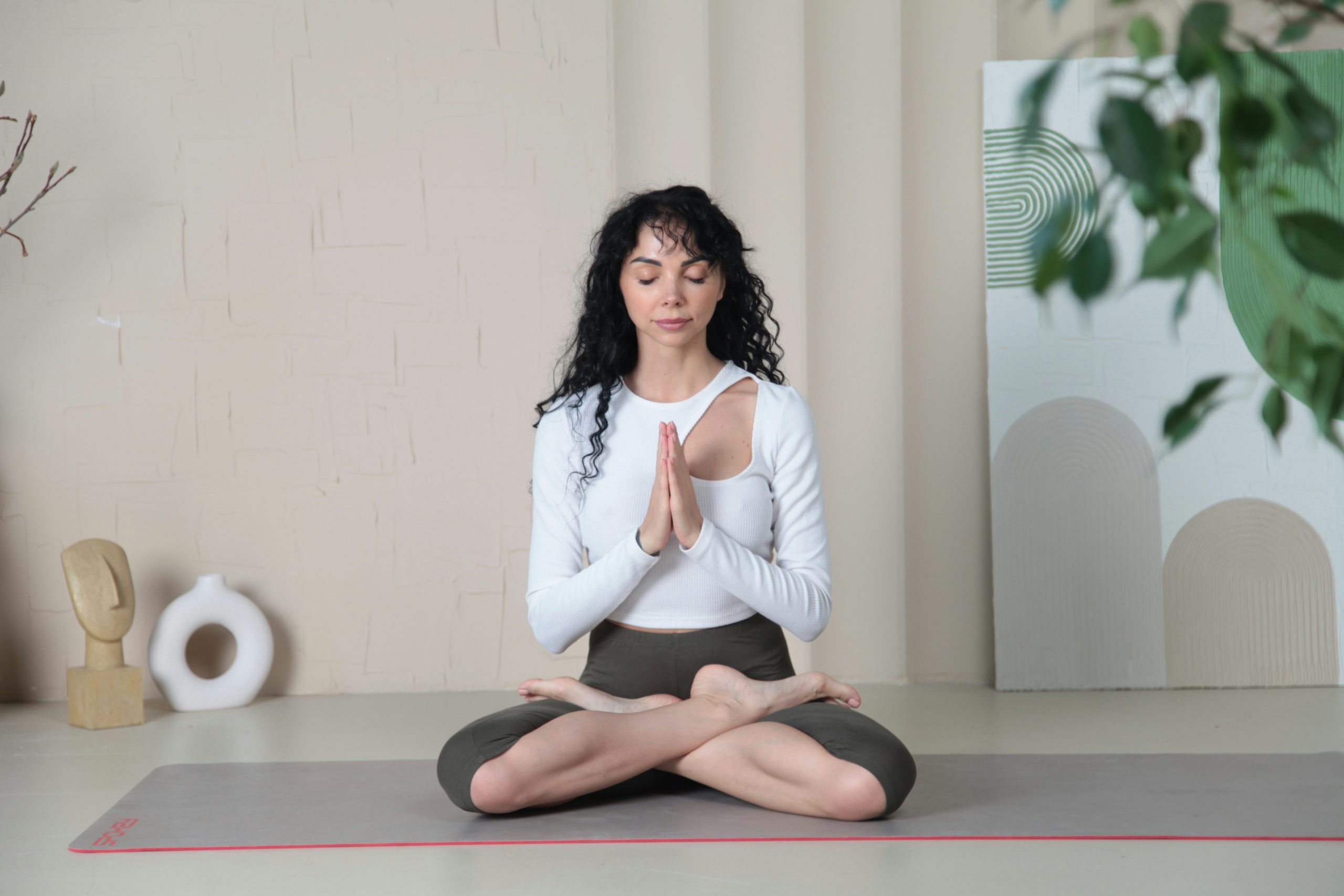
Not every tool suits every situation. Matching technique to need saves time and frustration. Supporting your overall mind-body health works best when you choose the practice that targets your actual struggle.
Breathwork for Acute Stress and Anxiety
Diaphragmatic breathing, box breathing, and extended-exhale techniques work fast. They directly engage the vagus nerve and shift you out of fight-or-flight within minutes. These are ideal when you need relief in the moment: before a presentation, during a panic spike, or when you cannot fall asleep.
Try this: inhale through the nose for four counts, hold for four, exhale through the mouth for six, pause for two. Repeat for three minutes. The longer exhale is the key ingredient.
Here is a quick guide to matching techniques to common concerns:
- Chronic pain: biofeedback, guided imagery, body scan meditation
- Insomnia: progressive muscle relaxation, extended-exhale breathing
- Digestive issues: diaphragmatic breathing, gentle yoga, hypnotherapy
- High blood pressure: mantra meditation, tai chi, breathwork
- Anxiety: mindfulness meditation, grounding exercises, journaling
- Burnout and fatigue: restorative yoga, nature-based walking meditation
Pairing these practices with holistic self-care strategies like sleep hygiene, nutrition, and social connection amplifies results considerably.
Building a Weekly Routine You Will Actually Keep
A routine that collapses in week three teaches you nothing. The goal is a sustainable rhythm that bends without breaking when life gets messy. Think seasons, not sprints.
A workable weekly structure might include daily short breathwork, three or four longer meditation sessions, two movement-based practices like yoga or tai chi, and one longer reflective practice such as journaling or a nature walk. That spread hits different nervous system pathways without demanding daily perfection.
Watch out for these common pitfalls:
- Trying to meditate for forty minutes when you have never done ten
- Judging each session as good or bad instead of just completing it
- Dropping the practice entirely after one missed day
- Expecting dramatic results in the first week
- Comparing your inner experience to other people’s descriptions
When to Bring in a Trained Practitioner
Self-guided practice goes far, but some situations call for professional support. If you are managing a chronic illness, recovering from trauma, dealing with persistent pain, or facing a serious diagnosis, a trained practitioner can tailor techniques to your specific physiology and history. Look for credentials from recognized programs, and ask about their experience with your particular condition.
Clinical hypnotherapists, biofeedback specialists, mindfulness-based stress reduction instructors, and integrative medicine physicians each bring different strengths. A good practitioner will coordinate with your primary doctor rather than replace that relationship. They should also be willing to measure progress with you, not just offer open-ended sessions.
Tracking Progress Without Obsessing Over Metrics
Measurement helps, but only up to a point. If tracking becomes another source of pressure, it defeats the purpose. The sweet spot is light, consistent noticing.
Keep a simple weekly check-in with four or five questions. How well did I sleep this week on average? How often did I feel reactive versus steady? What was my energy like in the afternoons? Did I notice fewer tension headaches, less jaw clenching, calmer digestion? Short answers in a notebook work fine. No app required.
After about eight weeks, patterns start to surface. Maybe your sleep improved first. Maybe your temper softened before your blood pressure moved. Everyone’s sequence is different, and the order often surprises people. What matters is the direction of travel, not the speed.
Common Myths That Hold People Back
Several misconceptions keep otherwise curious people from trying these approaches. Clearing them up early saves months of hesitation.
- You do not need to be spiritual or religious. These practices are mechanical skills, like learning to ride a bike.
- You do not need to clear your mind. Thoughts will keep arriving. The practice is noticing them and returning your attention, not achieving blankness.
- You do not need special equipment, cushions, or clothing. A quiet chair works.
- You do not need an hour. Research shows meaningful benefits from short, consistent sessions.
- You do not have to choose between this and conventional care. The two work together.
The biggest myth is that results should feel dramatic. Most of the benefit arrives quietly, the way a shoreline erodes or a plant grows. You rarely notice the change day to day, but looking back three months later, the difference is obvious.
Wrapping It Up
The body and mind were never actually separate. They have always been one integrated system, exchanging signals every second of every day. What this field offers is simply a structured way to use that connection on purpose, rather than letting it run on autopilot through chronic stress and unexamined emotion.
Starting is the hardest part. Five minutes a day of focused breathing, done consistently for a month, will teach you more than reading twenty articles on the subject. The techniques are simple, but their effects compound over time in ways that genuinely reshape how your body responds to the world. Pain softens. Sleep deepens. Reactivity cools. Immunity steadies.
Give yourself permission to start small, stay curious, and keep going even when progress feels invisible. The science supports it, millions of people have proven it works, and your own body is ready to show you what is possible when you stop fighting against yourself and start working with the whole system you already are.