

A balanced life is not something that arrives by accident. It comes from paying attention to your body, your mind, your relationships, and the everyday systems that support your independence and wellbeing. Many people focus so heavily on career and household responsibilities that they forget the human need for connection, movement, and personal care. This article walks through practical, real-world steps for building a life that supports both social connection and personal growth, no matter your age or stage of life.
Managing Chronic Pain to Stay Active and Social
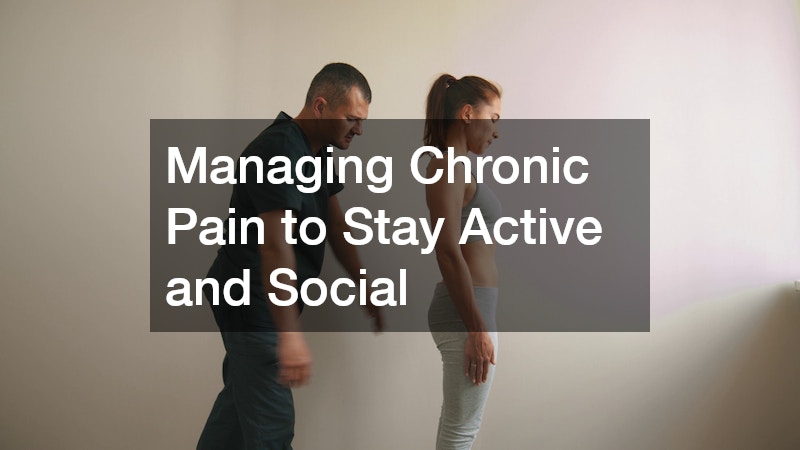 Chronic pain can quietly shrink a person’s world, making it harder to attend gatherings, pursue hobbies, or even leave the house comfortably. What starts as occasional discomfort can gradually turn into avoidance—skipping a friend’s dinner party because sitting too long is painful, or declining a walk with neighbors out of fear of a flare-up. Over time, this isolation can affect mental health just as much as the physical symptoms do. Working with a pain management specialist can help identify the root cause of discomfort rather than just masking symptoms, opening the door to a more active lifestyle. These specialists often use diagnostic tools like imaging, movement assessments, or nerve studies to pinpoint whether pain stems from inflammation, joint degeneration, muscle imbalance, or nerve compression. Understanding the source allows for a treatment plan that addresses the problem directly, rather than relying solely on temporary relief. Effective pain management often combines physical therapy, medication review, and lifestyle adjustments tailored to the individual. Physical therapy might include targeted strengthening exercises, stretching routines, or low-impact activities like swimming and yoga that keep joints mobile without added strain. Medication reviews can help patients avoid over-reliance on painkillers by exploring alternatives such as anti-inflammatories, topical treatments, or nerve-pain medications when appropriate. Lifestyle adjustments, such as improving sleep quality, managing weight, and incorporating stress-reduction techniques like meditation, can further reduce pain intensity and frequency. Small changes—like using ergonomic furniture, pacing activities throughout the day, or scheduling social outings during lower-pain periods—can make a meaningful difference. With the right combination of strategies, many people find they can reclaim both their mobility and their social lives.
When pain is under control, people naturally find it easier to reconnect with friends, join community events, and rediscover activities they once loved. This is a foundational piece of balance, since physical comfort directly affects emotional and social wellbeing. Effective pain management often combines several approaches rather than relying on a single fix. Low-impact exercises like swimming, yoga, or walking can improve mobility and reduce stiffness, while physical therapy helps address underlying issues rather than just masking symptoms. Simple daily habits—stretching for 10 minutes each morning, using heat or cold therapy, or maintaining good posture during work—can also make a noticeable difference over time. It’s worth noting that chronic pain affects roughly 1 in 5 adults, making it one of the most common barriers to an active social life. Left unmanaged, it can lead to isolation, as people begin avoiding outings or gatherings out of fear of discomfort or unpredictable flare-ups. Working with a healthcare provider to build a personalized plan, whether that includes medication, physical therapy, or lifestyle adjustments, can help people regain confidence in their bodies. When individuals feel physically capable, they’re more likely to say yes to a walk with a friend, a family gathering, or a new hobby. That renewed confidence creates a positive cycle: staying active supports pain management, and social engagement boosts mood and motivation to keep moving.
- Ask about a comprehensive pain evaluation rather than a quick prescription fix — request assessment of underlying causes, movement patterns, and lifestyle factors, not just symptom relief
- Track pain patterns using a simple journal or app, noting intensity, triggers, time of day, and activities that help or worsen it
- Share this detailed log with your provider to guide more personalized treatment decisions
- Combine professional treatment with gentle daily movement like walking, stretching, or swimming to maintain mobility and mood
- Explore complementary approaches such as physical therapy, massage, or mindfulness techniques alongside medical care
- Revisit your pain plan every few months, or sooner if symptoms change, since needs shift with activity levels, stress, and overall health
- Stay connected with a support network, including friends, family, or pain-management groups, to maintain motivation and reduce isolation
Boosting Energy and Recovery Through Advanced Wellness Treatments
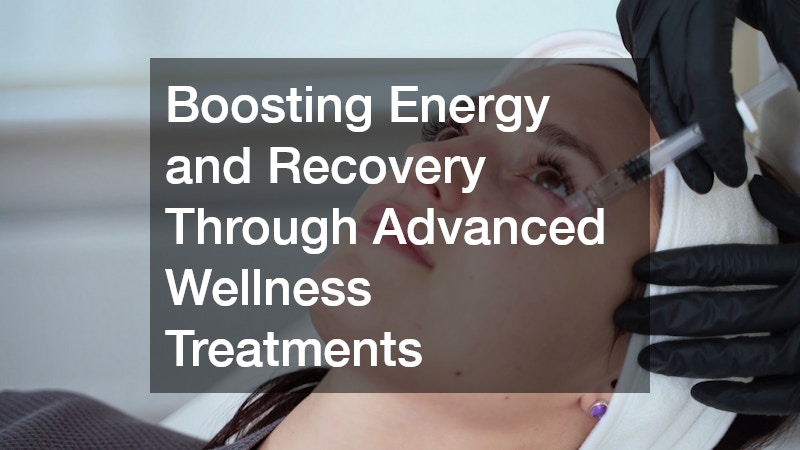
As people look for ways to maintain vitality, many are turning to newer wellness options that support the body at a cellular level. Peptide therapy has gained attention as a way to support recovery, muscle repair, and overall energy, particularly for people who feel fatigued despite eating well and exercising. It works by using specific amino acid chains to signal the body to perform certain functions more efficiently, such as releasing growth hormone, reducing inflammation, or accelerating tissue repair after intense training. Different peptides are formulated for different goals. Some are geared toward speeding up recovery after workouts or injuries, others toward improving sleep quality, and still others toward supporting metabolic function or immune health. Because of this variety, most people work with a knowledgeable provider to identify which formulation aligns with their specific symptoms and goals, rather than treating it as a one-size-fits-all solution. As with any emerging treatment, results and safety depend heavily on sourcing, dosage, and medical oversight. It’s worth discussing bloodwork, existing health conditions, and realistic timelines with a qualified practitioner before starting. When approached responsibly, this kind of targeted, science-based support can complement good nutrition and consistent exercise rather than replace them, helping the body recover more fully so people have the energy to stay active, social, and engaged in daily life.
Advanced recovery treatments like infrared sauna sessions, cryotherapy, and IV nutrient therapy have gained popularity for their potential to reduce muscle soreness, improve circulation, and support faster recovery between workouts. Some people report better sleep quality and reduced stress after regular sessions, though individual results vary based on factors like frequency, overall health, and consistency. This type of therapy is not a magic fix, but for some individuals it can be a useful piece of a broader wellness plan that includes proper sleep, nutrition, and movement. For example, pairing a 20-minute cryotherapy session with a consistent sleep schedule of 7-9 hours may yield better results than relying on the treatment alone. Cost and accessibility are also worth considering, since sessions can range from $30 to over $100 depending on the treatment and location, and insurance rarely covers these elective services. Anyone considering it should consult a qualified provider who can explain realistic outcomes and monitor progress safely over time, especially those with underlying health conditions like cardiovascular issues or pregnancy, where certain treatments may not be advisable.
Rebuilding Community Through Movement and Rhythm
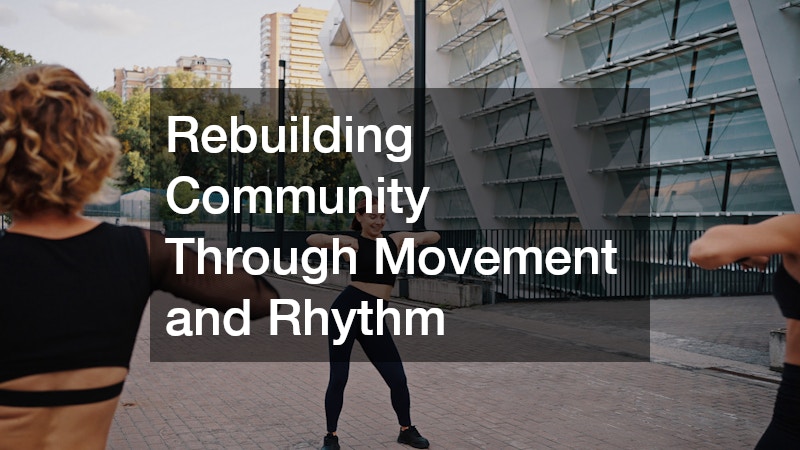
Social connection often grows out of shared activity rather than forced conversation, and movement-based hobbies are an excellent way to meet people naturally. Signing up for dance classes gives adults of any skill level a structured, low-pressure way to build friendships while also improving balance, coordination, and cardiovascular health. Many studios offer beginner sessions specifically designed for people returning to physical activity after a long break.
Beyond the physical benefits, group dance builds a sense of belonging that is hard to replicate through solitary exercise. The routine of a weekly class also gives structure to the week, something that can be especially valuable for people rebuilding their social calendar after a major life change.
- Look for beginner-friendly classes with small group sizes
- Try a few different styles before committing to one
- Attend consistently to build familiarity with classmates
- Treat it as both a fitness goal and a social outing
Supporting Recovery Through Substance-Free Communities
Personal growth sometimes requires a complete reset of environment and routine, and this is especially true for people recovering from substance use. Sober living homes provide a structured, substance-free environment where residents can rebuild daily habits, accountability, and healthy relationships before fully returning to independent life. These communities often include shared responsibilities, curfews, and peer support that mirror real-world structure without the isolation of early recovery.
Choosing the right sober living environment can make a significant difference in long-term success, since stability during this transition period often determines whether new habits actually stick. Family members and friends can support this process by staying involved and encouraging continued participation in support groups even after someone moves out.
Finding the Right Professional Support for Emotional Well-Being
Mental health is a core part of any balanced life, and many people benefit from working with a professional who understands their specific life experiences. Seeking out womens therapists who specialize in areas like postpartum adjustment, career stress, or relationship dynamics can make it easier to open up and make real progress in sessions. Feeling understood by a therapist often accelerates the pace of meaningful change.
It is worth interviewing more than one provider before settling on a long-term fit, since therapeutic rapport is just as important as credentials. A good therapist will welcome questions about their approach and be transparent about how they measure progress over time.
- Ask about specialties such as anxiety, grief, or life transitions
- Confirm whether sessions are available in person or virtually
- Check insurance coverage and sliding scale options
- Give the relationship a few sessions before deciding it is not a fit
Protecting Your Vision With Regular Eye Care

Good vision affects nearly every part of daily life, from reading and driving to recognizing faces at a social gathering. Regular visits to eye doctors help catch small changes early, before they turn into bigger problems that limit independence. Routine exams also screen for conditions like glaucoma and macular degeneration that often develop without obvious symptoms.
Many adults also deal with dry eye, a condition that causes irritation, blurred vision, and discomfort, especially for those who spend long hours looking at screens. Simple treatments such as artificial tears, prescription drops, or lifestyle changes can significantly improve comfort once the condition is properly diagnosed.
- Schedule a comprehensive eye exam at least once a year
- Mention any screen-related eye strain or dryness during your visit
- Ask about specialized treatments if symptoms persist
- Update prescriptions promptly to avoid unnecessary strain
Addressing Facial and Jaw Health for Long-Term Comfort
Jaw pain, misaligned bites, and facial trauma can affect confidence, speech, and even the ability to eat comfortably, all of which impact social life. A maxillofacial surgeon treats complex issues involving the jaw, mouth, and facial structure, ranging from wisdom teeth complications to corrective jaw surgery. These procedures can resolve chronic discomfort that many people mistakenly assume they simply have to live with.
Addressing these issues early often prevents more invasive treatment later and restores the ability to eat, speak, and smile without hesitation. Anyone experiencing ongoing jaw pain or facial asymmetry should get an evaluation rather than assuming it will resolve on its own.
Improving Home Mobility With the Right Equipment
Physical independence at home is a major factor in maintaining social connections, since limited mobility can make people hesitant to host guests or move freely through their own space. For those with stairs at home, having a stairlift installed can restore access to entire floors of the house that had become difficult or unsafe to reach. This simple change often allows someone to remain in their long-term home rather than considering a move.
For those who need to travel beyond the home, exploring adaptive vans for sale can open up transportation options that support independence for medical appointments, social outings, and family visits. Modern adaptive vehicles come with a range of features designed around specific mobility needs, from wheelchair ramps to hand controls.
- Get a home assessment before choosing mobility equipment
- Compare installation timelines and warranty terms
- Test-drive adaptive vehicles to confirm comfort and control placement
- Ask about financing or assistance programs for larger purchases
Building a balanced life is an ongoing process that touches physical health, emotional wellbeing, and the everyday systems that keep you connected to the people and places you care about. Small, deliberate steps, like addressing nagging pain, investing in mental health support, or making the home easier to navigate, add up to meaningful, lasting change. Start with the area that feels most urgent in your own life, and build outward from there. The goal is not perfection but steady progress toward a fuller, more connected life.