
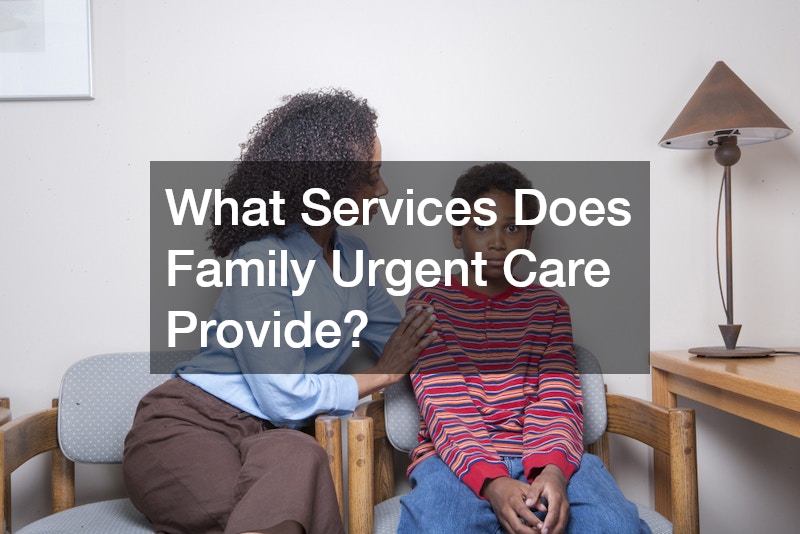
Not every health concern requires a trip to the emergency room, but some issues need more attention than a routine appointment can provide. Urgent care can bridge that gap by offering convenient medical services for conditions that need prompt attention but are not usually life-threatening.
For households looking for accessible medical care, family urgent care can provide a practical option for addressing a variety of short-term illnesses and injuries. Understanding the services available can help you decide when urgent care may be appropriate and when another type of medical facility is a better choice.
Understanding Urgent Care
Urgent care centers are designed to treat medical concerns that require timely attention but generally do not constitute emergencies. Many offer extended hours and may accept walk-in patients, making them useful when a primary care provider is unavailable.
Urgent care can be particularly helpful when an illness or injury develops outside normal office hours. Instead of waiting several days for a routine appointment, patients may be able to receive an evaluation sooner.
However, urgent care is not a replacement for emergency medical services. Severe symptoms, serious injuries, and potentially life-threatening conditions require emergency attention.
Treating Common Illnesses
One of the most common reasons people visit urgent care is to receive treatment for an acute illness. Providers may evaluate symptoms associated with conditions such as colds, influenza, sore throats, earaches and respiratory infections.
An evaluation can help determine what may be causing the symptoms and whether additional testing or treatment is appropriate. Depending on the condition, the provider may recommend supportive care, prescribe medication when appropriate or advise the patient to follow up with a primary care provider.
Children and adults can experience many of the same short-term illnesses, although their symptoms and treatment needs may differ. A provider can consider factors such as age, medical history and current symptoms when determining the appropriate course of care.
Providing Diagnostic Testing
Some urgent care centers offer diagnostic testing as part of their services. Testing can help providers evaluate symptoms and determine whether a patient may have a particular illness or condition.
Depending on the facility, available services may include tests for certain respiratory illnesses, infections, or other common conditions. Some locations may also provide imaging services such as X-rays.
The availability of testing varies between facilities, so patients should check with the location before visiting if they need a specific diagnostic service.
Supporting Children’s Healthcare Needs
Parents may also use family urgent care when children develop illnesses or minor injuries that need prompt evaluation. Having access to urgent medical services can be useful when a child becomes sick outside regular pediatric office hours.
Common reasons for pediatric urgent care visits may include fever, minor injuries, sore throats, ear pain, and other acute concerns. Providers can assess the child’s symptoms and determine whether urgent care treatment is appropriate.
Parents should always consider the severity of their child’s symptoms. If a child has difficulty breathing, becomes unresponsive, experiences a serious injury or shows other signs of a medical emergency, emergency services are more appropriate than an urgent care visit.
Knowing When Urgent Care Is Appropriate
Knowing where to seek care can sometimes be difficult. Urgent care is generally appropriate for conditions that need prompt attention but are not severe enough to require emergency treatment.
For example, a minor injury that needs evaluation or a sudden illness that develops when a primary care office is closed may be appropriate for urgent care. Patients can contact the facility ahead of time if they are uncertain whether a particular service is available.
Emergency departments are intended for serious or potentially life-threatening conditions. Symptoms such as severe chest pain, significant difficulty breathing, major trauma or sudden loss of consciousness require immediate emergency attention.
When in doubt about a serious medical concern, seeking emergency medical assistance is safer than waiting for an urgent care appointment.
Preparing for an Urgent Care Visit
Being prepared can make an urgent care visit easier. Patients should bring identification, insurance information, and a list of current medications when possible. It can also help to know relevant medical history and allergies.
Before arriving, consider writing down when symptoms began and whether they have changed. This information can help the provider understand the situation and determine what evaluation may be appropriate.
If you are visiting for an injury, be prepared to explain how it happened and what symptoms have developed since the incident. Providing clear information can help the provider make an informed assessment.
Urgent care can provide convenient medical attention for many illnesses and minor injuries that require prompt evaluation but do not constitute emergencies. Services may include illness treatment, injury care, diagnostic testing, physicals, and certain preventive services.
For families, family urgent care may offer a convenient way to address unexpected health concerns when a primary care provider is unavailable. Understanding what a particular location offers and recognizing when emergency care is necessary can help you choose the appropriate level of medical attention for yourself or your family.