
Self-care is more than an occasional indulgence—it’s a daily commitment to maintaining your physical, mental, and emotional well-being. In a world where stress, busy schedules, and constant digital distractions can take a toll, building a thoughtful and consistent self-care routine is essential. The most effective approach is holistic, addressing everything from hydration and nutrition to mental health, preventative care, and personal confidence.
Rather than relying on quick fixes, long-term wellness comes from sustainable habits that support your body and mind over time. This guide explores practical, actionable strategies you can incorporate into your daily life to improve how you feel, function, and show up for yourself and others.
Start With Daily Hydration and Nutritional Foundations

A strong self-care routine begins with the basics: what you put into your body every day. Hydration and nutrition are foundational to energy levels, cognitive function, and overall health. When these essentials are neglected, even the most diligent exercise or wellness routines can fall short, because the body simply lacks the fuel and fluids it needs to function optimally.
Drinking enough clean water supports digestion, regulates body temperature, and helps flush out toxins. It also plays a critical role in maintaining healthy skin, lubricating joints, and supporting cognitive performance. Many people underestimate how even mild dehydration can affect mood, focus, and overall productivity. A practical approach is to aim for consistent intake throughout the day rather than trying to drink large amounts all at once, which can be overwhelming and less effective.
To improve hydration habits:
- Keep a reusable water bottle within reach at all times, whether at your desk, in the car, or at home
- Set phone reminders or use apps to prompt water intake if you tend to forget
- Enhance the flavor naturally with lemon, cucumber, or fresh berries to make drinking water more enjoyable
- Adjust your intake based on activity levels, climate, and personal needs
Nutrition is equally important. Whole, nutrient-dense foods provide sustained energy and promote overall wellness, unlike processed foods that lead to quick spikes and crashes in blood sugar. Balanced meals should include:
- Lean proteins to support muscle repair, satiety, and hormone balance
- Healthy fats for brain function, hormonal health, and long-term energy
- Complex carbohydrates such as whole grains and legumes for steady fuel
- Fruits and vegetables for essential vitamins, minerals, and antioxidants
Hydration isn’t only internal. Incorporating a daily hydrating serum into your skincare routine can help maintain skin elasticity, smooth fine lines, and protect against environmental stressors such as pollution or harsh weather. This practice underscores the connection between nourishing the body from the inside and caring for it externally, reinforcing a holistic self-care approach.
Consistency is key. By gradually building simple, repeatable habits around hydration and nutrition, you create a strong foundation that supports every other aspect of your wellness routine, from mental clarity to physical performance and long-term health. Small daily choices compound over time, leading to meaningful improvements in energy, resilience, and overall vitality.
Create a Skincare Routine That Supports Confidence
Taking care of your skin is not just about appearance—it can significantly impact how you feel about yourself. Healthy, well-maintained skin boosts self-esteem and provides a sense of personal accomplishment, reinforcing the idea that self-care is a priority. A consistent skincare routine helps maintain the skin’s natural barrier, prevent premature aging, and support overall skin health, while also providing a structured daily ritual that promotes mindfulness and relaxation.
Start with the essentials:
- Gentle cleanser to remove dirt, oil, and environmental pollutants without stripping natural moisture
- Moisturizer to maintain hydration and strengthen the skin barrier
- Sunscreen to protect against harmful UV rays, which can cause wrinkles, pigmentation, and long-term damage
Once you have mastered a basic routine, consider incorporating advanced treatments. Microneedling, for example, can enhance skin texture, reduce fine lines, and stimulate collagen production, supporting a youthful appearance. These procedures are particularly effective when paired with a strong at-home routine, helping topical products absorb better and maximize results.
Professional med spa services offer specialized treatments tailored to your individual skin type and goals, ranging from chemical peels to laser therapy. Many providers also provide personalized consultations to determine which treatments will be most effective and safe.
When considering professional care:
- Research providers thoroughly to ensure they are licensed and reputable
- Verify experience and qualifications to minimize risks
- Ask detailed questions about potential side effects, recovery time, and expected results
- Begin with less invasive treatments before progressing to more advanced procedures
Balancing at-home care with professional treatments ensures consistent improvements without overtaxing the skin. Investing in skincare is ultimately an investment in confidence, self-respect, and overall well-being, reinforcing the connection between external appearance and inner wellness. Maintaining this routine consistently not only improves skin health but also encourages daily mindfulness, promoting a holistic sense of self-care and personal satisfaction.
Build a Sustainable Fitness Routine for Long-Term Health

Exercise is one of the most powerful tools for improving both physical and mental health. It supports cardiovascular function, strengthens muscles, enhances flexibility, and even improves cognitive function. However, the key to long-term success is sustainability—not intensity. Extreme routines may provide quick results, but they are often difficult to maintain and can lead to burnout or injury.
A well-rounded fitness routine should include:
- Cardiovascular exercise, such as jogging, cycling, or swimming, to support heart and lung health
- Strength training with weights, resistance bands, or bodyweight exercises to build and maintain muscle, bone density, and metabolism
- Flexibility work, including yoga, Pilates, or stretching, to improve mobility, prevent injuries, and support recovery
Consistency is far more important than perfection. Even 20–30 minutes of movement most days of the week can significantly improve energy, mood, and overall health. Small, regular sessions often yield better long-term results than occasional, intense workouts.
To build a routine that lasts:
- Choose activities you genuinely enjoy so it feels less like a chore
- Schedule workouts as non-negotiable appointments on your calendar
- Set realistic, measurable goals, such as increasing step counts or lifting slightly heavier weights each week
- Track your progress to celebrate milestones and stay motivated
Exercise also plays a crucial role in mental health. Physical activity releases endorphins, lowers stress hormones, and improves sleep quality. It acts as both a physical outlet and a mental reset, helping to reduce anxiety and improve focus.
Fitness doesn’t have to mean spending hours in a gym. Walking your dog, stretching before bed, joining a recreational sports league, or dancing to music at home can all be highly effective when performed consistently. Over time, these small but regular movements compound, leading to improved stamina, resilience, and overall well-being. By focusing on consistency, enjoyment, and variety, you can create a sustainable fitness routine that supports both body and mind for years to come.
Prioritize Preventative Care and Regular Health Monitoring
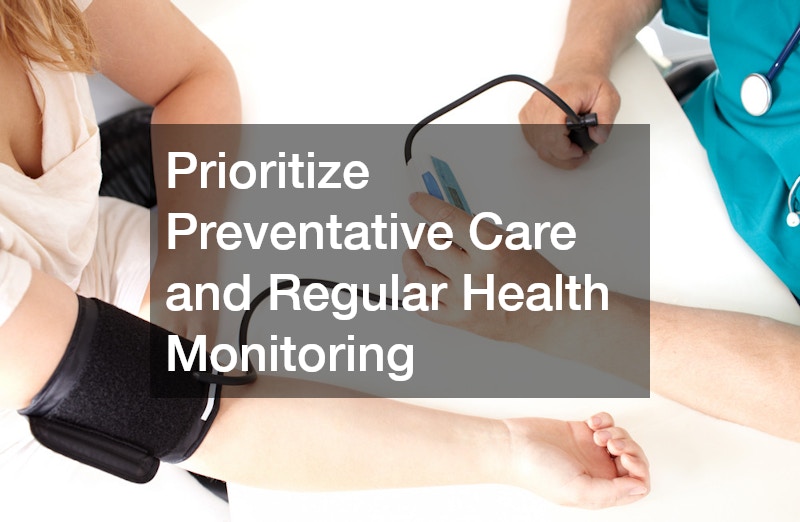
Preventative care is a cornerstone of long-term wellness. Regular check-ups and screenings can help detect potential issues early, making treatment more effective and less invasive.
Understanding your risk factors and staying proactive with screenings can make a significant difference. For example, early detection plays a critical role in successful cancer treatment, improving outcomes and expanding available options.
When managing your health:
- Schedule routine physical exams
- Stay up to date with recommended screenings
- Monitor changes in your body and report concerns
- Maintain open communication with healthcare providers
If specialized care is needed, seeking support from a reputable cancer center ensures access to advanced technology and experienced professionals. These facilities often provide comprehensive care, including diagnosis, treatment, and support services.
Taking a proactive approach to health can reduce anxiety and empower you to make informed decisions. Preventative care is not just about avoiding illness—it’s about maintaining quality of life.
Support Recovery and Independence at Home
Recovery and ongoing care are important aspects of self-care, especially for individuals managing chronic conditions or recovering from medical procedures. Receiving support in a familiar environment can improve comfort and outcomes.
Home health care services provide personalized care tailored to individual needs. These services may include assistance with daily activities, medication management, and physical therapy.
Benefits of in-home care include:
- Greater comfort and familiarity
- Reduced need for hospital visits
- Personalized attention and support
- Increased independence
Choosing the right provider is essential. Look for:
- Licensed and experienced professionals
- Positive reviews and recommendations
- Clear communication and care plans
It’s also important to understand your rights as a patient. If you experience substandard care or negligence, consulting a medical malpractice lawyer can help you explore your options and protect your well-being.
Being informed and proactive ensures that you or your loved ones receive the quality care you deserve.
Address Aesthetic Concerns as Part of Self-Confidence
Self-care includes feeling comfortable and confident in your appearance. While inner health is paramount, addressing external concerns can also play a role in overall well-being.
For individuals experiencing hair loss or thinning, working with a hair restoration specialist can provide solutions tailored to their needs. These professionals can recommend treatments ranging from topical therapies to advanced procedures.
In addition to hair care, treatments like sculptra are designed to restore facial volume and improve skin texture over time. These options can enhance natural features without drastic changes.
When exploring aesthetic treatments:
- Schedule consultations to discuss goals
- Understand the expected outcomes and timeline
- Consider maintenance requirements
- Choose qualified and experienced providers
Confidence often comes from feeling aligned with your appearance. Thoughtful, well-informed decisions can help you achieve results that support your overall self-care journey.
Improve Mental Health Through Daily Mindfulness Practices
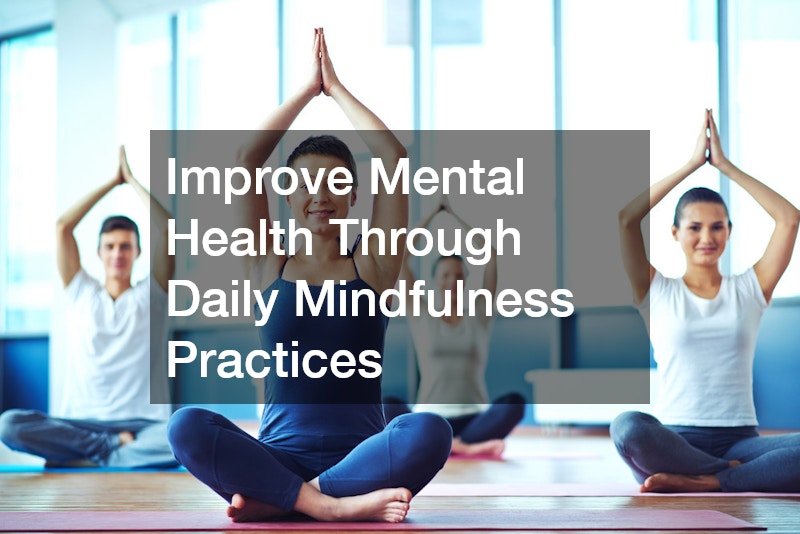
Mental health is a critical component of self-care that should never be overlooked. Daily mindfulness practices can help reduce stress, improve focus, and enhance emotional resilience.
Simple techniques to incorporate into your routine include:
- Deep breathing exercises
- Meditation sessions (even 5–10 minutes)
- Journaling thoughts and feelings
- Practicing gratitude
Mindfulness helps you stay present and manage overwhelming thoughts. Over time, these practices can lead to improved emotional regulation and a greater sense of calm.
To build consistency:
- Set aside a specific time each day
- Start small and gradually increase duration
- Use apps or guided sessions if needed
Mental clarity and emotional balance are essential for navigating daily challenges. By prioritizing mindfulness, you create space for reflection and growth.
Optimize Sleep for Physical and Mental Restoration
Sleep is often underestimated, yet it plays a vital role in nearly every aspect of health. Poor sleep can affect mood, cognitive function, and immune response.
To improve sleep quality:
- Maintain a consistent sleep schedule
- Create a relaxing bedtime routine
- Limit screen time before bed
- Keep your sleeping environment cool and dark
Quality sleep allows your body to repair and recharge. It also supports memory consolidation and emotional processing.
If you struggle with sleep:
- Identify potential stressors or habits disrupting rest
- Avoid caffeine late in the day
- Consider relaxation techniques before bedtime
Prioritizing sleep is one of the most effective ways to enhance both physical and mental well-being.
Strengthen Social Connections and Emotional Support Systems
Human connection is a fundamental aspect of well-being. Strong relationships provide emotional support, reduce stress, and contribute to a sense of belonging.
To build and maintain connections:
- Make time for regular interactions with friends and family
- Communicate openly and honestly
- Offer support and be willing to receive it
- Participate in community or group activities
Healthy boundaries are also important. Balancing social engagement with personal time ensures you don’t feel overwhelmed.
If you’re looking to expand your support system:
- Join clubs or organizations aligned with your interests
- Attend local events or workshops
- Seek out support groups if needed
Meaningful relationships can have a profound impact on your overall happiness and resilience.
Develop a Personalized Self-Care Plan You Can Maintain
The most effective self-care plan is one that fits your lifestyle and evolves with your needs. There is no one-size-fits-all approach, so it’s important to tailor your routine to what works best for you.
Start by assessing your current habits and identifying areas for improvement. Then, set realistic goals that you can build on over time.
Tips for creating a sustainable plan:
- Focus on small, manageable changes
- Track your progress and celebrate milestones
- Adjust your routine as your needs change
- Avoid comparing your journey to others
Flexibility is key. Life circumstances can shift, and your self-care routine should adapt accordingly. The goal is to create a system that supports you consistently, not one that adds pressure.
Taking care of your mind and body is an ongoing process that requires intention, consistency, and adaptability. By focusing on foundational habits, seeking support when needed, and making informed decisions, you can build a self-care routine that enhances every aspect of your life.
Start small, stay committed, and remember that every positive step contributes to your overall well-being.